Best Sunroom for Plant Growth: An Architectural and Botanical Guide
The architectural integration of a sunroom into a residential structure is frequently viewed through the lens of leisure—a space for morning coffee or afternoon reading. However, when the primary objective shifts toward horticulture, the sunroom ceases to be a mere domestic annex and becomes a sophisticated biological engine. Achieving the optimal environment for indoor cultivation requires an intricate negotiation between the physics of light transmission and the mechanical realities of climate control. In the United States, where regional climates vary from the humid subtropical to the arid alpine, a universal design template does not exist. Instead, the successful grower must understand how glass, orientation, and airflow converge to create a functional microclimate.
Designing for plant life necessitates a departure from standard residential building priorities. While a typical home addition focuses on R-value (thermal resistance) to minimize energy costs, a sunroom dedicated to botany must prioritize the Solar Heat Gain Coefficient (SHGC) and Photosynthetically Active Radiation (PAR) transmittance. The tension between keeping a room warm in the winter and preventing a catastrophic “solar oven” effect in the summer is the central challenge of the hobbyist and professional alike. This is where the distinction between a “sunroom” and a “conservatory” becomes critical: one is designed for human comfort, the other for the atmospheric demands of living tissue.
This editorial analysis explores the systemic requirements of high-performance glass enclosures. We move beyond the superficial aesthetics of white-painted aluminum frames and toward an understanding of structural engineering, vapor pressure deficit, and light spectral quality. To identify the most effective solutions, we must evaluate how different glazing technologies and structural materials interact with the specific botanical needs of various plant families. Whether one is cultivating high-light tropicals or delicate temperate ferns, the structural envelope is the first and most important tool in the gardener’s arsenal.
Understanding “best sunroom for plant growth.”
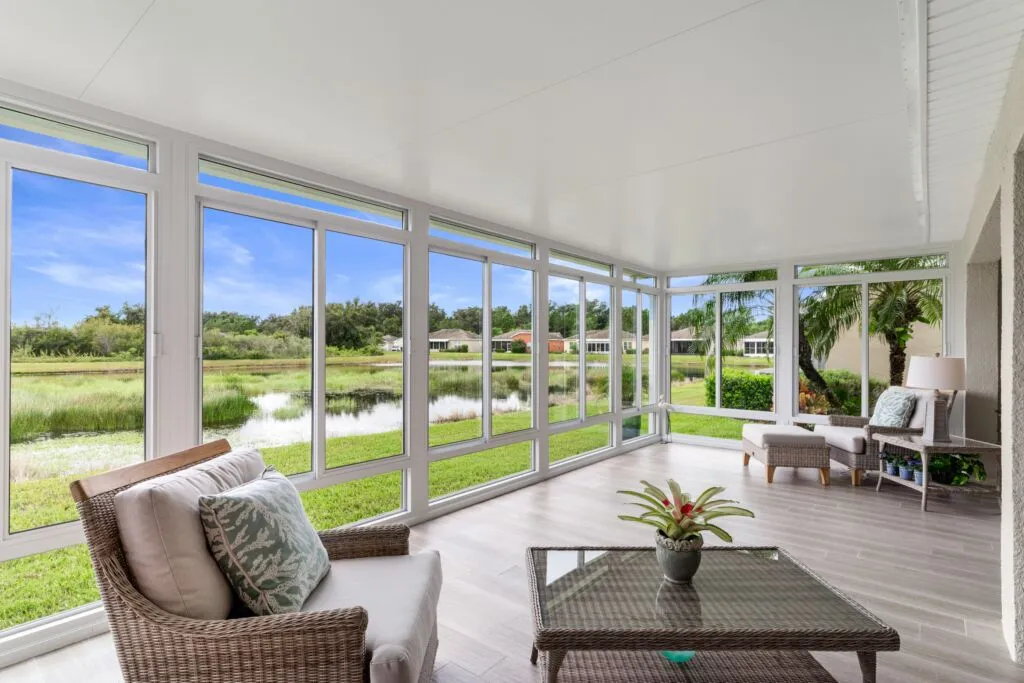
The designation of the best sunroom for plant growth is not a static title awarded to a specific brand or model; rather, it is a performance metric that varies based on latitude, plant species, and seasonal volatility. A common misunderstanding in the residential market is the conflation of “brightness” with “light quality.” A room may appear brilliantly lit to the human eye while being biologically dark for a plant. This discrepancy arises because standard residential glass is often treated with Low-E (low-emissivity) coatings designed to block the very infrared and ultraviolet wavelengths that stimulate robust plant growth and secondary metabolite production.
Oversimplification in this sector often leads to the “Four-Season Room” trap. Many manufacturers market year-round sunrooms that are heavily insulated and double-paned. While excellent for reducing the owner’s electricity bill, the thick glazing and argon-filled gaps can reduce PAR transmission by as much as 30% to 40%. For a grower in a Northern state with limited winter sun, this reduction can mean the difference between a thriving citrus tree and one that slowly defoliates due to light starvation. Therefore, the “best” sunroom is often one that allows for a high degree of transparency while employing mechanical solutions—rather than chemical coatings on the glass—to manage heat.
Furthermore, the risk of a “single-variable” focus is high. Many beginners focus entirely on sunlight, neglecting the critical role of humidity and air exchange. A sunroom with perfect Southern exposure but no passive ventilation or automated humidity control will eventually suffer from stagnant air, leading to fungal pathogens like powdery mildew or pest infestations like spider mites. A truly effective botanical sunroom is an integrated system where the glazing, the structural frame, and the ventilation work in concert to mimic a plant’s native habitat.
Contextual Background: The Evolution of Domestic Glasshouses
The history of the sunroom is rooted in the “Orangeries” of the 17th-century European aristocracy. These were heavy masonry structures with large, south-facing windows designed to protect citrus trees from harsh winters. As glass manufacturing transitioned from hand-blown cylinders to industrial plate glass in the 19th century, the “Palm House” and the “Conservatory” emerged. These structures were radical because they removed the masonry walls entirely, allowing light to enter from the roof as well as the sides. This was a pivotal moment for horticulture, as it recognized that overhead light is significantly more efficient for photosynthesis than lateral light.
In the mid-20th century United States, the “Florida Room” and the popularized sunroom addition became symbols of suburban expansion. However, these were largely designed for people, not plants. They utilized thin aluminum frames and single-pane glass, making them notoriously difficult to regulate thermally. The 1970s energy crisis introduced insulated glass, which solved the human comfort problem but introduced the “light filtering” problem mentioned earlier.
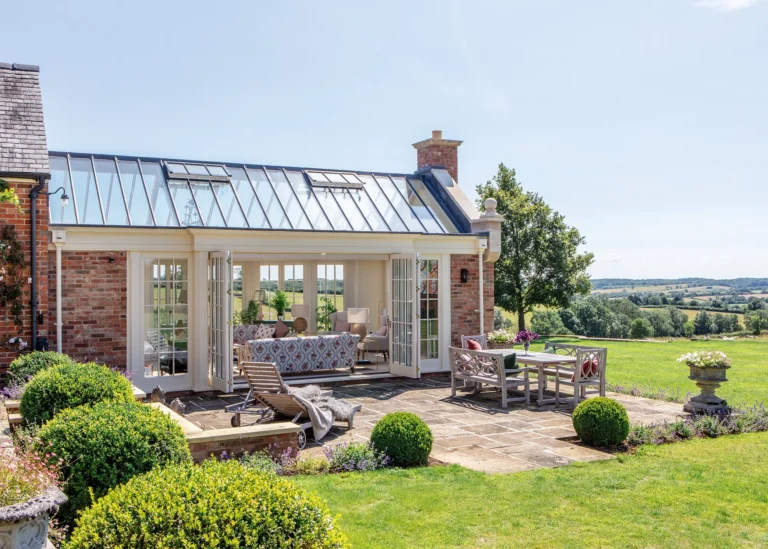
Today, we are in a period of “High-Performance Glass Architecture.” Modern sunroom manufacturers are increasingly utilizing aerospace-grade alloys and “smart glass” that can change its tint based on light intensity. For the serious plant grower, the current trend is a return to the “Lean-to” or “Solarium” style, which prioritizes a glass roof to maximize light harvest, but utilizes 21st-century thermal break technology to prevent the heat loss that plagued Victorian structures.
Conceptual Frameworks: The Physics of the Enclosure
To evaluate any sunroom for its botanical potential, we must apply specific mental models derived from building science and plant physiology.
1. The Light-Harvesting Model
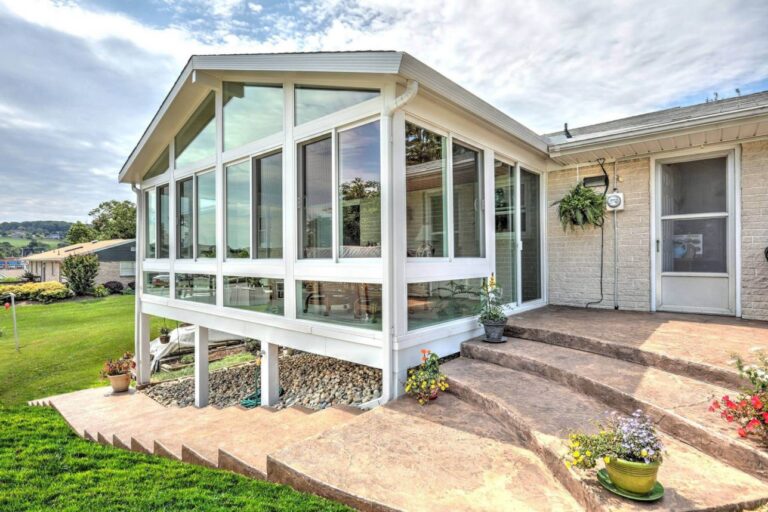
This framework views the sunroom as a solar collector. The efficiency of this collector is determined by the “Angle of Incidence.” For the best plant growth, the glass should be positioned to receive light as close to a 90-degree angle as possible throughout the day. This explains why sloped-roof solariums generally outperform vertical-walled sunrooms for high-light crops; the sloped glass captures the high-noon sun that vertical glass reflects away.
2. The Thermal Mass and Lag Model
Glass has almost no ability to store heat. A sunroom is a high-flux environment—it heats up instantly when the sun hits and cools down instantly when it sets. The successful grower uses “Thermal Mass” (such as stone floors or large water barrels) to absorb heat during the day and radiate it back at night. This “lag” prevents the extreme temperature swings that cause plant stress and bud drop.
3. The Vapor Pressure Deficit (VPD) Framework
Plants do not just react to temperature; they react to the relationship between temperature and humidity. VPD measures the “drying power” of the air. In a sunroom, as the temperature rises, the air’s capacity to hold water increases, which can pull moisture out of plant leaves faster than the roots can replace it.
Key Categories: Architectural Variations and Trade-offs
Sunrooms fall into several distinct structural categories, each with inherent advantages and limitations for horticulture.
| Category | Primary Benefit | Horticultural Trade-off |
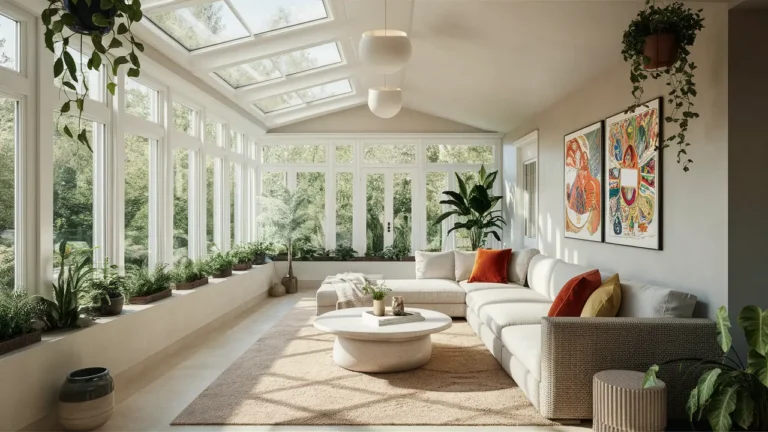
| Solarium (Sloped Glass Roof) | Maximum light penetration from all angles. | Prone to overheating; difficult to shade. |
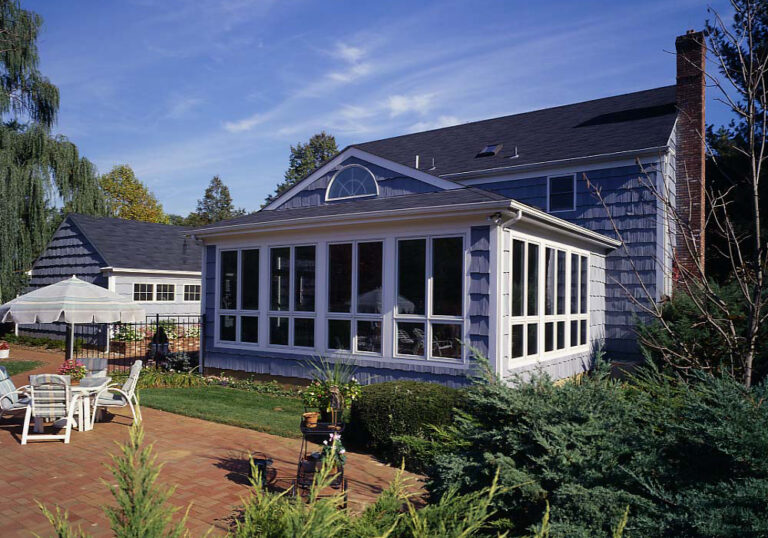
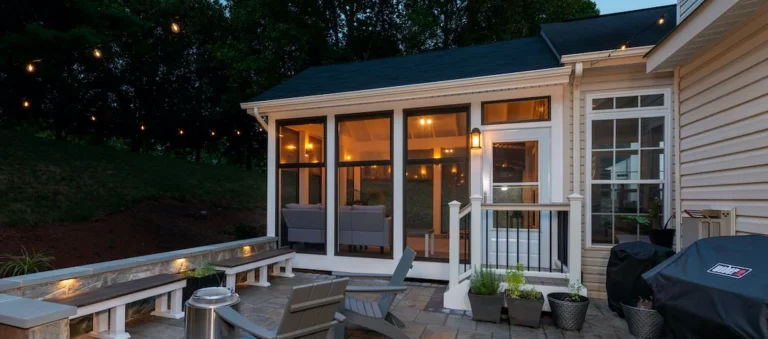
| Three-Season Sunroom | Cost-effective; high PAR transmission. | Requires external heating/cooling for winter/summer. |
| Four-Season (Insulated) | Stable year-round temperatures. | Heavily filtered light; low UV transmission. |
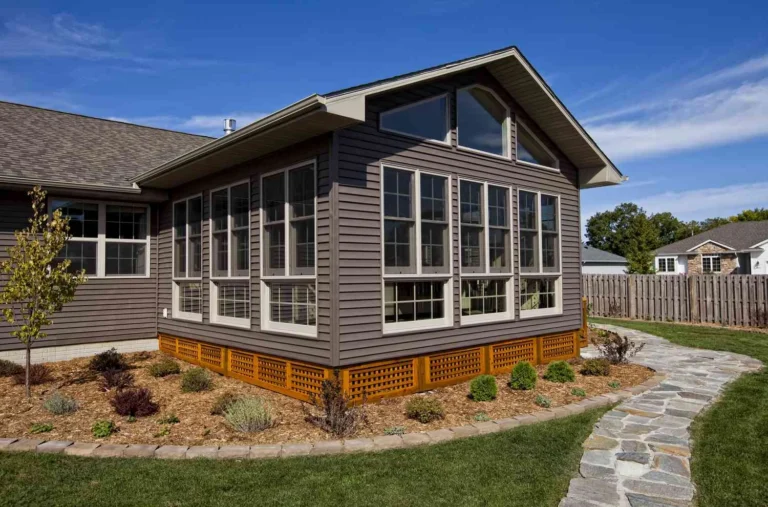
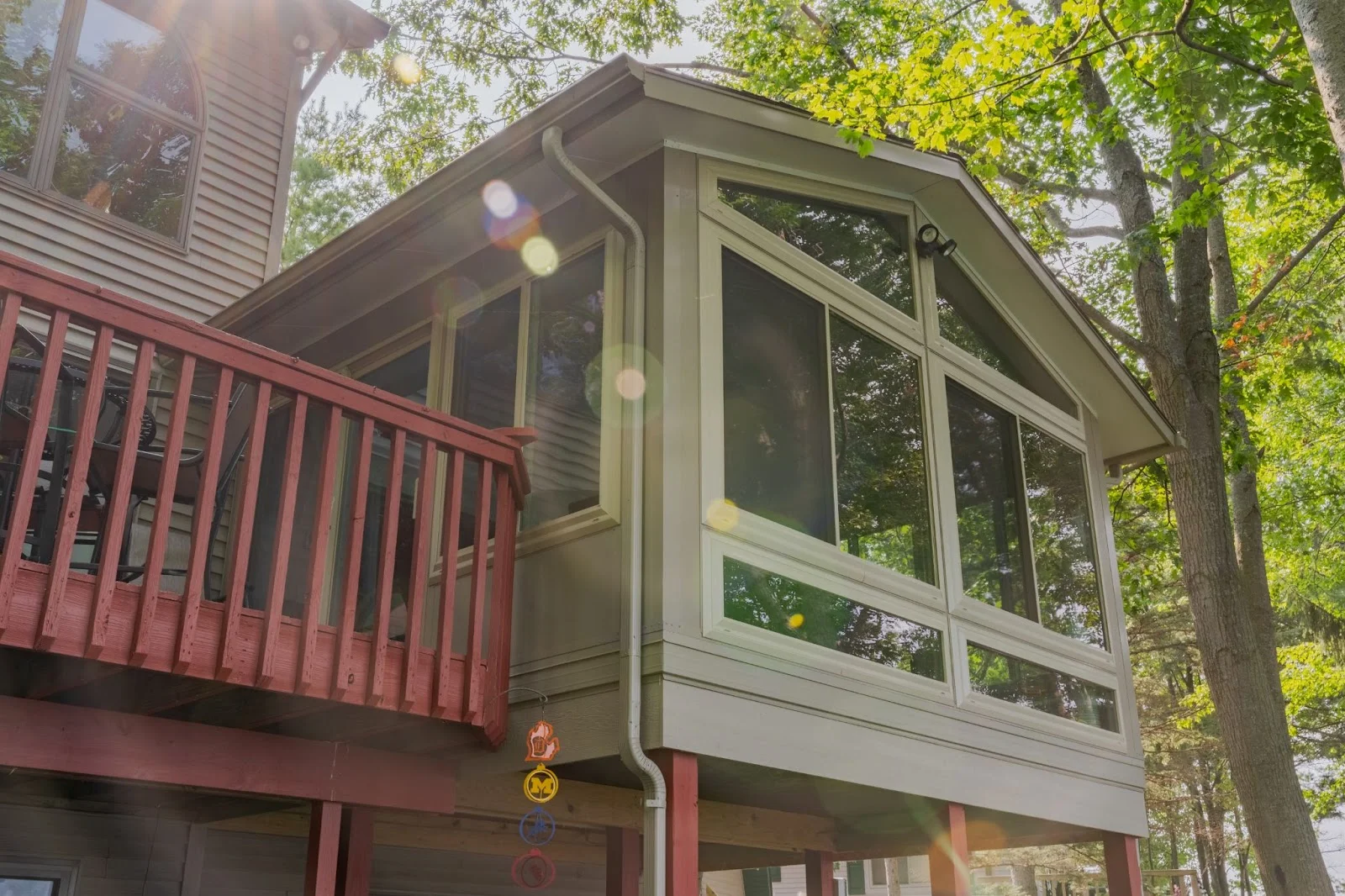
| Knee-Wall Sunroom | High “Refuge” (privacy/durability). | Blocks low-angle winter sun near the floor. |
| Conservatory (Bespoke) | High aesthetic; integrated ventilation. | Extremely high cost; complex maintenance. |
Decision Logic for Structure Selection
The choice of structure should follow the “Latitude-Species Alignment.” A grower in Florida cultivating orchids would be poorly served by a sloped-glass solarium, as the midday sun would scorch the plants. They require a vertical-walled sunroom with high-level shading. Conversely, a grower in Michigan trying to fruit Meyer lemons needs every possible photon, making a sloped-roof solarium with high-clarity glazing the only viable option.
Detailed Real-World Scenarios and Site Constraints
Scenario 1: The Urban “In-fill” Sunroom
In dense urban environments, sunrooms are often shaded by neighboring buildings for portions of the day.
-
The Constraint: Direct light is only available for 3–4 hours.
-
The Solution: Use of high-reflectivity interior back walls (white or mirrored) to bounce available light back into the canopy.
-
Failure Mode: Selecting tinted glass to “match the house” further reduces the limited light, leading to “leggy” or etiolated plants.
Scenario 2: The Arid Desert Sunroom
High-altitude deserts (e.g., New Mexico or Colorado) offer intense light but extreme temperature swings.
-
The Constraint: Solar radiation is so intense that it can degrade plastic pots and bleach leaves.
-
The Solution: Installation of automated exterior “Pinoleum” or fabric shades. Exterior shading is 80% more effective than interior shading because it stops the heat before it passes through the glass.
Scenario 3: The Sub-Zero Northern Sunroom
Growing tropicals in a climate where winter temperatures drop to -10°F.
-
The Constraint: The “Cold Boundary Layer.” Even if the room air is 70°F, the air 2 inches from the glass may be 40°F.
-
The Solution: Integrated perimeter heating (baseboard) and “Destratification” fans that pull warm air down from the ceiling to the floor level.
Planning, Cost, and Resource Dynamics
The financial investment in a botanical sunroom is front-loaded, but the operational costs (heating/cooling) are the long-term variables that determine sustainability.
Estimated Investment and Operational Tiers (USA Market)
| Tier | Avg. Construction Cost | Primary Glazing Material | Annual Energy Impact |
| Basic (Polycarbonate) | $15,000 – $25,000 | Multi-wall Polycarbonate | High (poor insulation) |
| Standard (Vinyl/Alum) | $30,000 – $60,000 | Double-pane Tempered Glass | Moderate |
| Premium (Steel/Wood) | $75,000 – $150,000+ | High-clarity Laminated Glass | Low (efficient systems) |
Opportunity Cost: Choosing standard residential windows instead of horticultural-grade glass is often a permanent mistake. The “Savings” of $5,000 upfront can result in $20,000 of supplemental lighting costs over the structure’s 20-year lifespan to compensate for the blocked spectrum.
Tools, Strategies, and Support Systems
To transform a glass room into the best sunroom for plant growth, several auxiliary systems are required to support the structural envelope.
-
Automated Ridge Vents: Hot air rises. Without vents at the highest point of the roof, heat becomes trapped, regardless of how many windows are open at the bottom.
-
Horizontal Air Flow (HAF) Fans: Unlike standard ceiling fans, HAF fans are designed to move air in a circular pattern around the room, preventing “cold pockets” and ensuring CO2 is constantly replenished at the leaf surface.
-
Evaporative Cooling (Swamp Coolers): In dry climates, these are more effective than AC because they add the humidity that plants crave while lowering the temperature.
-
Photosynthetic Photon Flux Density (PPFD) Meters: A critical tool for the serious grower. It measures the actual light available to plants, allowing for the precise placement of species based on their light requirements.
-
Shade Cloth Management: Fixed shading is rarely optimal.
-
Smart Irrigation Controllers: Sunrooms dry out pots significantly faster than standard rooms. Sensors that trigger irrigation based on soil moisture (rather than a timer) prevent drought stress.
Risk Landscape: Taxonomy of Failure Modes
The primary risks in sunroom horticulture are systemic and often hidden until they reach a tipping point.
-
Structural Seal Failure: The high humidity inside a botanical sunroom puts immense pressure on the seals of insulated glass units (IGUs). If the manufacturer does not use “Marine-grade” or high-humidity seals, the glass will “fog” internally within 5–7 years, ruining light transmission.
-
The “Greenhouse Trap”: Failure to decouple the sunroom’s HVAC from the main house. If the sunroom pulls air from the house without a separate return, it can introduce mold spores into the home’s ductwork.
-
Pest Compounding: In an enclosed glass space with no natural predators, a single aphid can become a colony of thousands in days. This is an “Enclosure Risk” that requires a strict quarantine protocol for new plants.
-
Condensation and Structural Rot: In timber-framed sunrooms, if the dew point is reached on the interior surface, water will run down the glass and pool at the base of the wood frame, leading to “invisible rot.”
Governance, Maintenance, and Long-Term Adaptation
A botanical sunroom requires a “Governance Cycle”—a scheduled review of the structure’s performance.
Monthly Maintenance
-
Glass Clarity Audit: Dust and pollen can reduce light transmission by 5%–10%. Cleaning the exterior glass is a horticultural task as much as a janitorial one.
-
Fan Calibration: Ensuring HAF fans are not blowing directly on delicate foliage, which can cause wind-burn and desiccation.
Annual Structural Review
-
Sealant Integrity: Inspecting the silicone joints where the glass meets the frame. UV radiation eventually makes silicone brittle; if it cracks, moisture enters the frame.
-
Vent Actuator Testing: Testing the motors that open the ridge vents. If these fail in early spring, a single sunny day can kill an entire collection.
Adaptation Triggers
-
Plant Maturity: As trees grow (e.g., a Ficus or Citrus), they change the room’s airflow and light mapping. This requires a “Pruning or Repositioning” cycle every 24 months to ensure the canopy does not shade out smaller understory plants.
Measurement, Tracking, and Evaluation
How do we determine if the sunroom is actually succeeding? We use a combination of lagging and leading indicators.
Quantitative Signals
-
Daily Light Integral (DLI): The total number of photons delivered to a square meter over 24 hours. For “Full Sun” plants, we track to ensure a DLI of at least 20–30.
-
Humidity/Temperature Log: Using a data logger to find the “Min/Max” swings. A success metric is keeping the diurnal swing within a 20-degree Fahrenheit range.
Qualitative Signals
-
Internode Length: If the distance between leaves on new growth is increasing, the sunroom is failing to provide enough light.
-
Leaf Orientation: Plants that “follow the sun” or tilt their leaves vertically are signaling light stress (too much or too little).
Common Misconceptions and Oversimplifications
-
Myth: “South-facing is always best.”
-
Correction: For many tropical plants, an East-facing sunroom provides high-intensity morning light without the scorching heat of a South or West afternoon.
-
-
Myth: “Triple-pane glass is better for plants.”
-
Correction: Triple-pane glass often has a very low Visual Light Transmittance (VLT). Unless you live in the Arctic, the light loss usually outweighs the heat-saving benefits.
-
-
Myth: “A sunroom is the same as a greenhouse.”
-
Correction: Sunrooms are attached to homes and share air/walls. This creates much higher risks for the home’s structural integrity (moisture) than a standalone greenhouse.
-
-
Myth: “Blue glass is good because plants like blue light.”
-
Correction: Tinted glass of any color removes portions of the full spectrum. Clear glass is almost always superior, with light levels managed by removable shades.
-
Ethical and Practical Considerations
When building a sunroom for plant growth, one must consider the “Ecological Footprint” of the supplemental energy required. A glass room is inherently inefficient from a heating perspective. The ethical grower should consider “Passive Solar” design elements—such as a dark-colored stone floor to absorb heat—to reduce the reliance on fossil-fuel heating. Furthermore, the use of peat-based potting soils in sunrooms contributes to peatland degradation; transitioning to coco-coir or inorganic substrates is a practical and ethical adaptation.
Conclusion: The Synthesis of Light and Life
The search for the best sunroom for plant growth eventually leads away from the catalog of the manufacturer and toward the discipline of the grower. The structure provides the potential, but the management of the microclimate provides the result. A successful sunroom balances the paradox of the glass enclosure: it must be transparent enough to feed the plants, yet robust enough to protect them from the very environment it reveals.
As glazing technologies continue to advance, the gap between the indoors and outdoors will continue to shrink. The ultimate measure of such a space is not the quality of the view it provides to the human occupant, but the vigor and vitality of the flora that calls it home.